Not Dead Yet: Rethinking What Matcha Expiration Really Means for the Everyday Drinker
Somewhere between the first sip of a freshly opened tin and the moment you notice the color has shifted from vivid jade to something closer to army green, a quiet anxiety sets in. Is this still good? Should I have used it faster? Did I waste thirty dollars on powder that has gone stale?
These are reasonable questions, and the matcha community — enthusiasts, retailers, and wellness bloggers alike — has not always answered them with nuance. The prevailing message tends toward alarm: matcha is fragile, perishable, and practically dead the moment it crosses a certain date. That narrative is worth examining more carefully, because the reality is considerably more layered.
What Japanese Packaging Dates Actually Mean
Most authentic Japanese matcha arrives in the United States with packaging that bears a date in a format unfamiliar to many American consumers. Japanese date conventions typically follow the year-month-day order, and years are often expressed according to the Japanese imperial calendar system rather than the Gregorian calendar. The Reiwa era, which began in May 2019, means that a date reading "R6.09.15" translates to September 15, 2024 — not 2006, not a typo.
Beyond the formatting, the critical distinction is between a seizōbi (製造日), which indicates the manufacturing or packaging date, and a shōmi kigen (賞味期限), which is the "best by" or "best flavor" date. These are not equivalent to an expiration date in the Western pharmaceutical or dairy sense. Japanese food labeling law defines shōmi kigen as the period during which a product maintains its intended quality under proper storage conditions — not the point at which it becomes unsafe or unpalatable.
For most commercially packaged matcha, this window falls between six months and one year from the sealing date. However, the underlying assumption is that the tin has remained sealed, kept away from light, heat, and humidity. A tin that has been sitting in a climate-controlled pantry, unopened, may retain acceptable quality well beyond the printed date. A tin that spent two weeks on a sunny kitchen counter after opening is a different matter entirely.
The Actual Mechanisms of Degradation
Matcha deteriorates through three primary pathways: oxidation, photodegradation, and moisture absorption. Understanding these processes demystifies the timeline considerably.
Oxidation is the most significant factor. The chlorophyll and catechins responsible for matcha's green color and health-associated properties are vulnerable to oxygen exposure. Once a tin is opened, the clock accelerates. This is why most quality matcha is packaged in nitrogen-flushed, airtight containers — the goal is to delay the moment oxygen makes meaningful contact with the powder.
Photodegradation, triggered by UV and visible light, breaks down chlorophyll rapidly. This is why serious matcha tins are opaque or stored in dark outer packaging. A translucent container left near a window can visibly yellow within weeks.
Moisture absorption is less dramatic but equally disruptive. Matcha is hygroscopic, meaning it pulls water from the surrounding air. Clumping is the first visible sign, followed by a flattening of flavor and, in extreme cases, microbial activity — though the latter requires significant neglect.
None of these processes flip a switch at midnight on the best-by date. They are gradual, and their pace depends almost entirely on how the matcha has been handled.
Practical Tests You Can Run Before You Discard Anything
Before consigning an older tin to the trash, apply a few simple assessments that any attentive drinker can perform at home.
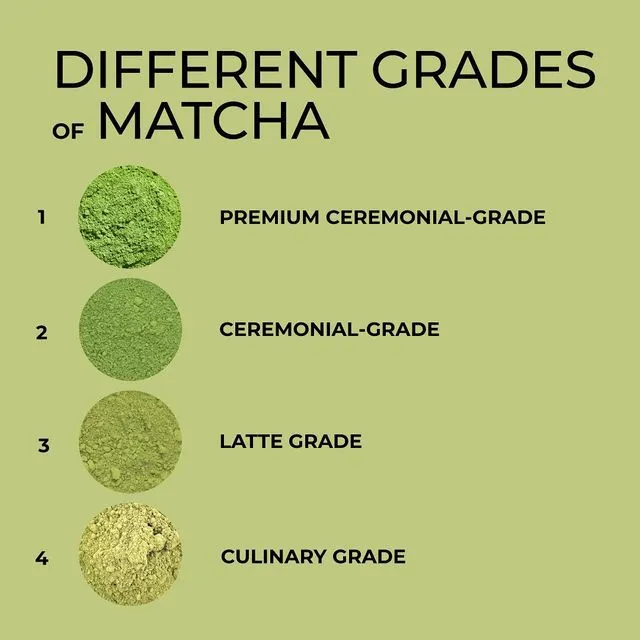
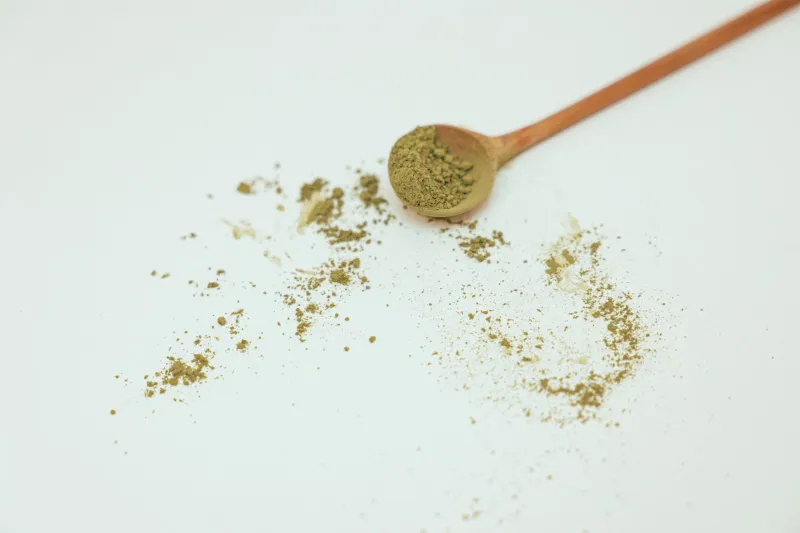
The color test. Scoop a small amount of powder onto a white ceramic surface. High-quality, well-preserved matcha should appear distinctly green — bright, with a slight blue-green or yellow-green cast depending on the cultivar. A dull, brownish, or khaki tone indicates significant oxidation. Mild yellowing may simply reflect age without full degradation.
The aroma test. Fresh matcha carries a grassy, vegetal scent with subtle sweetness and a faint oceanic quality. Older matcha that has oxidized will smell flat, faintly musty, or reminiscent of dried hay. If the scent is neutral or slightly off but not actively unpleasant, the matcha may still be serviceable for culinary applications even if it has passed its ceremonial prime.
The taste test. Prepare a small bowl using your standard method. The flavor of aging matcha loses its brightness — the umami rounds off, the pleasant bitterness softens, and the finish shortens. What remains is not necessarily bad; it is simply less complex. Many US consumers, particularly those using matcha in lattes, smoothies, or baked goods, may find adequately stored six-to-twelve-month-old matcha entirely acceptable for those purposes.
The foam test. When whisked properly, fresh matcha produces a stable, fine-bubbled foam. Significantly oxidized matcha tends to produce coarser, less persistent foam. This is not a definitive quality test, but it is a useful supplementary indicator.
When Matcha Is Genuinely Past Its Usefulness
The measured reassurance above has limits. There are conditions under which matcha should be retired without hesitation.
If the powder has developed visible clumps that do not break apart with gentle pressure, or if those clumps carry any discoloration or off-odor, moisture has likely been introduced in a way that compromises the product. If the aroma is actively unpleasant — sour, musty, or rancid — trust that signal. If the color has turned entirely brown or gray, oxidation has progressed to a point where the beneficial compounds are largely depleted and the flavor will be unpleasant regardless of application.
It is also worth noting that the freshness standards for ceremonial preparation are legitimately higher than for culinary use. If you are preparing a bowl for quiet contemplation — the kind of mindful ritual that defines the Kagura Matcha approach to daily practice — the nuance of flavor and the visual quality of the liquor genuinely matter. For that purpose, matcha more than three months past its best-by date, even if stored carefully, may disappoint. For a morning smoothie or a batch of matcha shortbread, the same tin might serve perfectly well.
A More Calibrated Approach to Freshness
The anxiety around matcha expiration often leads to two unhelpful extremes: either discarding powder at the first sign of age, or ignoring quality entirely and drinking whatever is available. A more calibrated approach treats the best-by date as a starting point for investigation rather than a verdict.
For US consumers navigating imported Japanese matcha, the practical guidance is straightforward. Store opened tins in an airtight container in the refrigerator or a cool, dark pantry — not the freezer, which introduces condensation risk upon opening. Use opened matcha within four to six weeks for optimal ceremonial quality, or within two to three months for culinary use. When in doubt, run the three-part assessment above before discarding.
Matcha is a perishable agricultural product, and freshness genuinely matters. But it is also a nuanced one, and the difference between a tin that has gracefully aged and one that has genuinely spoiled is knowable, legible, and well within any attentive drinker's ability to assess. The goal is not to lower standards — it is to apply them accurately.