Freshness Is Everything: The Definitive Guide to Storing Matcha and Knowing When to Let It Go
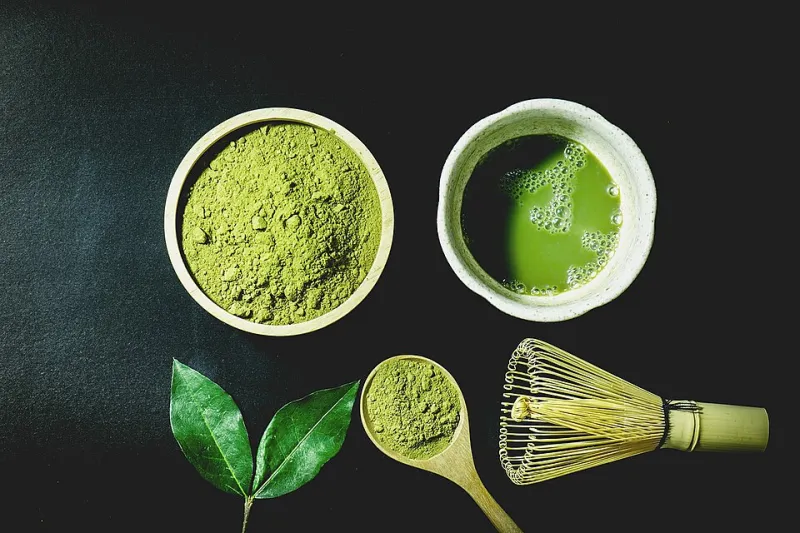
Photo: dungthuyvunguyen, CC0, via Wikimedia Commons
There is a quiet frustration familiar to many matcha drinkers: you invest in a quality tin of ceremonial-grade powder, prepare it with care, and yet something about the cup feels flat. The color lacks vibrancy. The taste carries a faint bitterness that lingers without the characteristic sweetness. The froth seems thinner than it should be. Before assuming the product was inferior, consider the more likely culprit — improper storage.
Matcha is among the most perishable forms of tea. Unlike whole-leaf teas that retain their character for years under reasonable conditions, finely milled matcha exposes an enormous surface area to its environment. Every particle is vulnerable. Understanding what threatens freshness — and what preserves it — is not merely a matter of taste preference. It directly determines whether the L-theanine, chlorophyll, and catechins that make matcha a genuinely functional beverage remain potent enough to deliver their benefits.
The Four Enemies of Fresh Matcha
Matcha deteriorates through four primary mechanisms, and each one is preventable with the right habits.
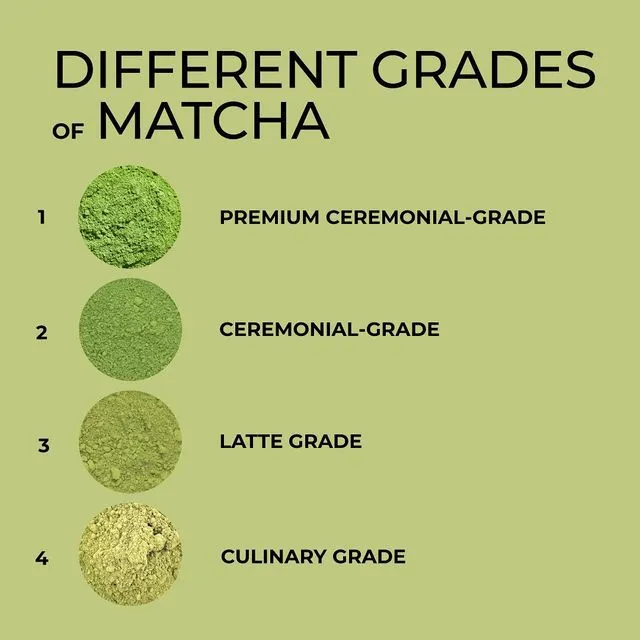
Light is perhaps the most underestimated threat. Ultraviolet exposure degrades chlorophyll rapidly, which is why vibrant ceremonial-grade matcha shifts from a saturated, almost jewel-like green toward a dull, yellowish tone when left near a window or under fluorescent kitchen lighting. The degradation is not merely cosmetic — chlorophyll breakdown signals broader oxidative damage to the powder's bioactive compounds.
Oxygen initiates oxidation the moment a tin is opened. The catechins responsible for matcha's antioxidant properties are particularly susceptible, and extended air exposure causes the powder to take on a progressively flatter, more astringent flavor profile. This is why ceremonial-grade matcha from Uji or Nishio tastes noticeably different from a tin that has been left loosely sealed for several weeks.
Heat accelerates every chemical reaction involved in degradation. Storing matcha near a stovetop, on top of a refrigerator, or in a cabinet above the dishwasher — all common placements in American kitchens — introduces temperature fluctuations that quietly diminish quality over time.
Moisture is the fourth and perhaps most immediately damaging factor. Matcha powder is hygroscopic, meaning it readily absorbs water from the surrounding air. Even modest humidity causes clumping, which is often mistaken for a sign of quality or density. In reality, clumped matcha that was not intentionally packed that way has already absorbed ambient moisture and begun a process of accelerated deterioration.
Optimal Storage Conditions
The ideal environment for matcha storage is cool, dark, dry, and airtight. In practical terms for a US household, this typically means the following:
Before opening, store your matcha in the refrigerator or freezer. Many specialty tins arrive vacuum-sealed, and an unopened container kept in the freezer can maintain quality for up to a year or more. The key is ensuring the tin or pouch is completely airtight to prevent moisture intrusion and odor absorption — matcha will readily take on the smell of nearby foods.
After opening, refrigeration remains appropriate, but consistency matters. Each time a cold tin is brought to room temperature and then returned to the refrigerator, condensation can form inside the container. A practical solution is to portion your matcha into a smaller, everyday-use tin that stays at room temperature in a cool, dark cabinet, while the remainder stays refrigerated. This minimizes the number of temperature transitions the bulk of your powder experiences.
The container itself deserves attention. Opaque, airtight tins are superior to clear glass or loosely fitting lids. Many premium Japanese matcha brands package their powder thoughtfully, but once the original container is opened, transferring the contents to a dedicated matcha canister with a tight-fitting lid is a worthwhile investment for frequent drinkers.
Room temperature storage, when refrigeration is not practical, should default to the coolest, darkest spot in your kitchen — typically a lower cabinet away from appliances that generate heat.
Expired Versus Stale: An Important Distinction
These two terms are often used interchangeably, but they describe meaningfully different conditions.
Expired matcha refers to powder that has passed the best-by date printed on the packaging. Japanese producers typically indicate a shelf life of six months to one year from the manufacturing date for opened matcha, and up to two years for unopened product. Once past this threshold, the powder is not unsafe to consume, but its nutritional profile has diminished to the point where the functional benefits — the calm focus from L-theanine, the antioxidant load from EGCG — are largely theoretical rather than practical.
Stale matcha, by contrast, can occur well before the expiration date if storage conditions are poor. A tin opened in July and left on a sunny countertop in a humid kitchen may be noticeably degraded by August, despite the label suggesting it should remain viable through the following spring. Staleness is a product of environment, not time alone.
The practical takeaway: the expiration date is a ceiling, not a guarantee. Proper storage determines whether your matcha reaches that ceiling in good condition.
How to Identify Degraded Matcha
Your senses are reliable instruments here. Degraded matcha announces itself in several consistent ways.
Color is the first indicator. Fresh, high-quality matcha displays a vivid, saturated green — sometimes described as almost electric in its brightness. Powder that has oxidized or been exposed to light shifts toward olive green, yellow-green, or in advanced cases, a grayish tone. If your matcha looks more like dried parsley than fresh spring leaves, its prime has passed.
Aroma is equally telling. Quality matcha carries a complex, vegetal fragrance with grassy, umami-rich, and occasionally sweet notes. Stale matcha smells flat, faintly musty, or simply like very little at all. If opening your tin does not prompt a noticeable sensory response, the powder has lost significant vitality.
Taste will confirm what color and aroma suggest. Fresh matcha offers a layered experience — initial sweetness, a gentle umami depth, and a clean, lingering finish. Degraded matcha tastes predominantly bitter or astringent, without the balancing sweetness and complexity that define a well-preserved powder. Some drinkers describe stale matcha as tasting "papery" or reminiscent of dried green tea dust rather than something alive and present in the cup.
Texture and clumping can indicate moisture exposure, though fine clumps that sift apart easily are often a result of settling during shipping rather than degradation. Dense, hard clumps that resist the chasen (bamboo whisk) and do not dissolve smoothly in water are more likely the result of humidity damage.
Storage as an Extension of the Ritual
At Kagura Matcha, the belief underlying every preparation guide and product recommendation is that matcha rewards intentionality. The same mindfulness that elevates a two-minute whisking practice into a meaningful pause in the day applies equally to how powder is cared for between uses. Choosing a quality matcha and then storing it carelessly is a contradiction — one that diminishes both the sensory experience and the wellness outcomes that make the practice worthwhile.
The steps outlined here require minimal effort: a dedicated canister, a cool cabinet, consistent habits around refrigeration. In exchange, every cup you prepare will reflect the full character of the tea — the terroir of its origin, the craft of its production, and the care you brought to preserving it. That is not a small return for a few thoughtful adjustments.