Ichi-Go Ichi-E: Designing a Home Matcha Sanctuary That Grounds Your Day
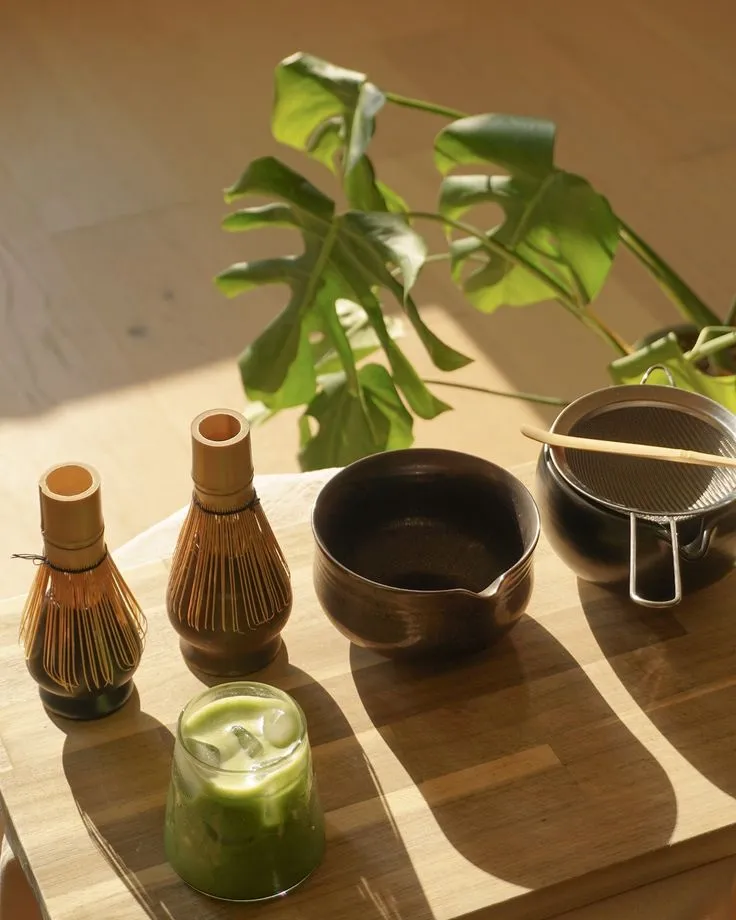
Photo: minimalist Japanese matcha preparation set on wooden tray in modern kitchen morning light, via i.pinimg.com
There is a concept embedded deep within Japanese tea culture that Western productivity culture rarely makes room for: the idea that this cup, prepared at this moment, will never exist again. The Japanese phrase ichi-go ichi-e — loosely translated as "one time, one meeting" — originated in the context of the formal tea ceremony, where host and guest alike were expected to bring their complete attention to a gathering that could never be replicated. No two bowls of matcha, the philosophy insists, are truly the same.
For most Americans, mornings are sequences of tasks to be dispatched. Coffee is poured while emails are scanned. Breakfast is eaten standing at the counter. The idea of treating a beverage as an occasion can feel indulgent, even impractical. Yet research in behavioral psychology consistently demonstrates that deliberate rituals — defined by fixed sequences of meaningful actions — measurably reduce anxiety, improve focus, and strengthen a person's sense of agency over their day. The matcha ceremony, stripped of its most elaborate formalities and adapted for a Western kitchen, offers precisely this kind of anchor.
At Kagura Matcha, we believe that authentic Japanese matcha is most fully experienced when it is prepared with intention. What follows is a practical framework for creating that experience in your own home.
Why Space Matters Before the First Sip
Psychologists studying environmental cues have long noted that physical surroundings shape mental states before any deliberate thought occurs. A cluttered counter communicates urgency. A designated, ordered space communicates permission to slow down. This is not merely aesthetic preference — it is the operating principle behind the traditional chashitsu, or tea room, where every object is chosen to quiet the mind of the person entering.
You do not need a separate room. A single section of kitchen counter, a small wooden tray, or even a dedicated shelf can function as your personal chashitsu equivalent. The key is consistency: when this space appears, your nervous system begins to associate it with stillness.
Begin by clearing the area entirely. Then return only what belongs to the practice. Restraint is the point.
Assembling Your Essential Tools
The traditional matcha preparation toolkit is elegantly minimal. For a home practice, the following items are sufficient:
- Chawan (tea bowl): A wide, ceramic bowl that allows room for whisking. The slightly rough interior texture of a hand-thrown piece supports better foam formation and adds tactile pleasure to the ritual.
- Chasen (bamboo whisk): The most irreplaceable tool in matcha preparation. A quality chasen with 80 or more tines produces the smooth, frothy texture that distinguishes properly prepared matcha from a lumpy approximation.
- Chashaku (bamboo scoop): A slender, curved scoop calibrated to deliver approximately one gram of matcha per serving. Its use slows the process in a way a measuring spoon does not.
- Furui or fine-mesh sifter: Sifting matcha before whisking prevents clumping and ensures a silky consistency.
- A small ceramic or wooden rest: For the chasen between uses, protecting its delicate tines.
Arrange these items on your tray in a fixed order. The repetition of placement is itself a form of mindfulness — a physical act that signals the transition from ordinary time into ritual time.
The Preparation Sequence as Meditation
Once your space is established, the preparation itself becomes the practice. Move through these steps without rushing, allowing each action to occupy its full moment.
Warm your bowl. Pour a small amount of hot water into the chawan and swirl it gently before discarding. This single act — heating a vessel before use — is a gesture of care that recalibrates your pace.
Sift the matcha. Measure one to two chashaku scoops (approximately one to two grams) through your sifter directly into the warmed bowl. Notice the color: a vivid, almost luminescent green is the signature of ceremonial-grade matcha made from shade-grown, stone-milled leaves.
Add water at the correct temperature. Water between 160°F and 175°F is ideal. Boiling water scorches the delicate amino acids — particularly L-theanine — that give high-quality matcha its characteristic sweetness and depth. A simple kitchen thermometer removes the guesswork.
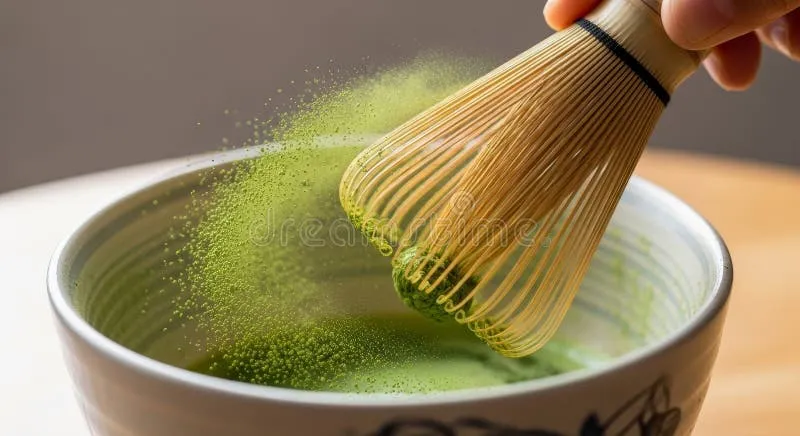
Whisk with intention. Using your chasen, whisk in a brisk "W" or "M" motion — not a circular stir — until a fine, persistent foam forms at the surface. This typically takes thirty to forty-five seconds. The sound of the whisk against the bowl, the resistance of the liquid, the gradual emergence of foam: these are sensory details worth noticing.
Pause before drinking. Hold the bowl with both hands. This is the moment ichi-go ichi-e is most fully realized. Look at the surface of your matcha. It will not look precisely this way again.
Designing for Consistency: The Small Details That Sustain a Practice
The most beautifully conceived ritual fails if it requires too much friction to maintain. A few structural choices make daily practice sustainable rather than aspirational.
Keep your matcha stored in a sealed, opaque container away from light and heat — a refrigerator or cool pantry shelf is appropriate. Freshness is not a luxury consideration; it directly determines flavor and the bioavailability of the catechins and L-theanine that make matcha a wellness tool rather than merely a beverage.
Choose a consistent time. Morning preparation, before the demands of the day assert themselves, is the most common anchor point. But late afternoon — the traditional Japanese oyatsu hour around three o'clock — offers its own logic, providing a measured pause between the work day and the evening.
Finally, resist the temptation to multitask during preparation. The ceremony's value lies precisely in its resistance to efficiency. In a culture that monetizes every minute, the deliberate choice to be fully present for five minutes is, in its quiet way, a radical act.
The Sanctuary Is a State of Mind
The Japanese tea master Sen no Rikyū, who codified the aesthetic principles of wabi-cha in the sixteenth century, described the ideal tea experience with four characters: wa, kei, sei, jaku — harmony, respect, purity, tranquility. These qualities were never meant to exist only in formal tea rooms. They were understood as states to be cultivated through practice and then carried into the rest of the day.
Your kitchen corner, your wooden tray, your morning bowl of Kagura Matcha: none of these need be grand to be meaningful. The sanctuary is not the space you design. It is the attention you bring to it, renewed each morning, one unrepeatable cup at a time.