A Drinker's Guide to Japan's Powdered Teas: Hojicha, Genmaicha, Kukicha, and When to Choose Each
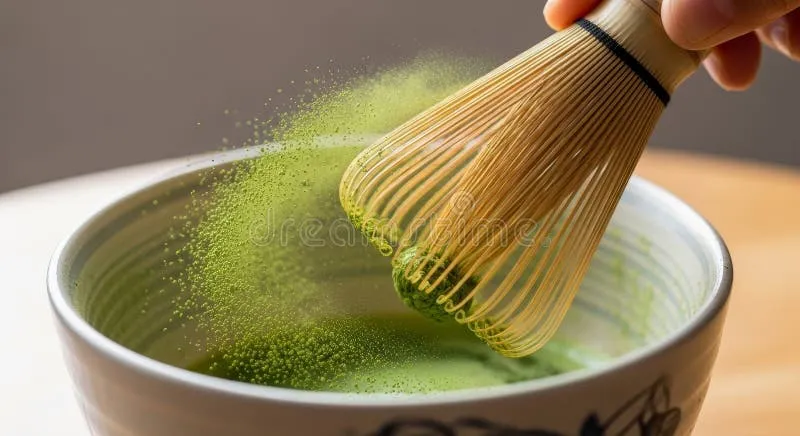
Ask most Americans what Japanese green tea looks like in powdered form and the answer is immediate: matcha. Vivid green, ceremonial, the subject of countless wellness articles and café menu additions. That association is not wrong — matcha is genuinely exceptional, and its concentration of L-theanine, EGCG, and chlorophyll places it in a category of its own among tea preparations. But limiting one's understanding of Japan's powdered tea tradition to a single variety is a bit like believing that all American whiskey is bourbon. Accurate in broad strokes; incomplete in ways that matter.
Japan's tea farmers and processors have spent centuries developing distinct leaf treatments, roasting techniques, and blending approaches that yield teas with markedly different flavor profiles, caffeine levels, and wellness applications. Several of these — hojicha, genmaicha, and kukicha — are now available in finely ground or powdered forms that make them accessible to home preparation in ways that parallel the matcha experience. Each deserves consideration on its own terms.
What follows is a practical guide to understanding these varieties, their nutritional distinctions, and how to match each one to the rhythms of your day.
Matcha: The Benchmark
Flavor profile: Vegetal, umami-forward, slightly sweet with a clean finish in high-grade versions. Bitter and astringent in lower grades.
Caffeine: Approximately 60–70 mg per standard serving (2g). Among the highest of any tea preparation.
Key compounds: Exceptionally high in L-theanine, EGCG (epigallocatechin gallate), chlorophyll, and vitamin K.
Best for: Morning focus, pre-exercise energy, meditation preparation, creative work sessions.
Ceremonial-grade matcha — shade-grown for three to four weeks before harvest, stone-milled from the youngest leaves — is the gold standard for both flavor and nutritional density. The shading process stimulates the plant to produce elevated levels of chlorophyll and L-theanine as it compensates for reduced sunlight. It is this combination of focused energy without the cortisol spike associated with coffee that has made matcha the centerpiece of a serious wellness practice.
For culinary applications — baking, smoothies, lattes — a culinary-grade powder performs adequately and costs less. But for preparation in the bowl, ceremonial grade is not an indulgence; it is a functional distinction.
Hojicha: The Roasted Alternative for Evening Calm
Flavor profile: Warm, toasty, with notes of caramel, wood, and mild sweetness. Minimal bitterness. Broadly approachable, even for those who find standard green tea astringent.
Caffeine: Approximately 7–10 mg per serving — dramatically lower than matcha.
Key compounds: Lower catechin content due to roasting; elevated pyrazines (aromatic compounds linked to relaxation effects); moderate antioxidant activity.
Best for: Afternoon wind-down, post-dinner ritual, those sensitive to caffeine, households with children.
Hojicha is produced by roasting green tea leaves or stems over high heat — traditionally in a porcelain pot over charcoal. The roasting process fundamentally alters the tea's chemistry: most of the caffeine volatilizes, the catechins partially break down, and a suite of new aromatic compounds emerges. The result is a tea that is simultaneously more accessible and more suited to the latter half of the day than matcha.
Powdered hojicha behaves similarly to matcha in preparation — it can be whisked with hot water or steamed milk — but requires no particular attention to water temperature, as the roasted leaves are far less sensitive to heat. For Americans accustomed to the ritual of matcha preparation but seeking a lower-caffeine option that does not compromise on ceremony, hojicha powder is perhaps the most natural transition.
A note on wellness: while hojicha lacks the concentrated catechin profile of matcha, its pyrazine content is associated in some research with mild sedative and anxiolytic effects. It is not a substitute for matcha's clinical nutritional profile, but as a sensory and psychological wind-down tool, it is genuinely effective.
Genmaicha: The Grounding Blend for Midday Balance
Flavor profile: Nutty, savory, with a characteristic popcorn-like aroma from the toasted rice. Lighter body than pure green tea; comforting rather than stimulating.
Caffeine: Approximately 15–25 mg per serving, depending on the ratio of tea to rice.
Key compounds: Moderate catechins; the rice component adds B vitamins and trace minerals absent in pure leaf teas.
Best for: Midmorning or early afternoon, pairing with food, those new to Japanese tea.
Genmaicha — literally "brown rice tea" — is a blend of green tea (typically bancha or sencha) with toasted, puffed rice. Some of the rice kernels pop during roasting, giving genmaicha its recognizable "popcorn tea" nickname in certain American tea communities. In powdered form, genmaicha offers a more complex flavor base than standard matcha, with the rice contributing a rounded, slightly starchy warmth that pairs exceptionally well with savory foods.
From a wellness standpoint, genmaicha occupies a useful middle ground: enough catechins and caffeine to provide mild alertness and antioxidant benefit, but gentle enough in body and stimulant content to accompany a meal without disrupting digestion or amplifying anxiety. It is a particularly good recommendation for those who find pure matcha's intensity overwhelming, or for midday moments when the goal is sustained, quiet focus rather than sharp activation.
Kukicha: The Mineral-Rich Outlier
Flavor profile: Light, slightly sweet, with a distinctive creaminess and mild grassiness. Lower bitterness than leaf-based teas. Occasionally described as having a faint nutty or hay-like quality.
Caffeine: Approximately 10–15 mg per serving — among the lowest of green tea preparations.
Key compounds: Notably high in calcium, zinc, and manganese relative to leaf teas; lower caffeine due to stem and twig composition; moderate catechin content.
Best for: Bone and mineral support goals, late afternoon, those following alkaline or macrobiotic dietary frameworks.
Kukicha is unusual in that it is made primarily from the stems, stalks, and twigs of the tea plant rather than the leaves. This structural difference produces a tea with a lighter, creamier character and a mineral profile that sets it apart from every other tea in this guide. Kukicha has long been a staple of macrobiotic dietary practice — popularized in the United States through the work of nutritionist Michio Kushi in the 1970s and 1980s — precisely because of its high calcium content and alkalizing properties.
In powdered form, kukicha dissolves less smoothly than matcha and benefits from a slightly longer whisking time. Its flavor is subtle enough to blend well with plant-based milks, making it a natural fit for those building a dairy-free wellness routine.
A Practical Selection Guide
Choosing among these varieties need not be complicated. The following framework covers most situations:
| Time of Day | Goal | Recommended Tea |
|---|---|---|
| Early morning | Sharp focus, sustained energy | Ceremonial matcha |
| Midmorning | Gentle alertness, antioxidant support | Genmaicha |
| Early afternoon | Sustained productivity, light lift | Lower-grade matcha or genmaicha |
| Late afternoon | Calm focus, mineral replenishment | Kukicha |
| Evening | Wind-down, low caffeine ritual | Hojicha |
| Post-meal | Digestive comfort, warmth | Hojicha or genmaicha |
Season also plays a role. Hojicha's roasted warmth makes it particularly appealing in fall and winter. Kukicha's lightness suits the warmer months. Matcha's intensity is well-matched to the energy demands of spring and early summer, when many Americans are recalibrating their wellness routines after the slower winter pace.
The Broader Point
Japan's powdered tea tradition is not a single product category with a single set of benefits. It is a diverse toolkit, each element calibrated to different physiological needs and daily rhythms. Approaching it with that understanding — rather than defaulting to one variety for all occasions — is both more interesting and more effective.
At Kagura Matcha, our commitment to authentic Japanese sourcing extends to these companion teas precisely because we believe a thoughtful practice is a varied one. The goal is not to drink matcha in every cup. It is to drink the right tea at the right moment, with the right degree of attention. That, ultimately, is what makes the practice worth keeping.