One Practice, Four Seasons: A Practitioner's Guide to Matcha Through the Year
In the Japanese tea ceremony tradition, the calendar is not merely a scheduling tool. It is a design principle. Practitioners of chado—the way of tea—adjust nearly every element of their ritual according to the season: the selection of the tea bowl, the choice of scroll hanging in the tokonoma alcove, the temperature of the water, the sweets offered alongside the bowl. Nothing is static. Everything responds to where the year has arrived.
For Western matcha drinkers, this seasonal sensitivity is often the last dimension of the practice to be discovered. Many practitioners establish a routine that serves them well in one season and carry it, unchanged, through all four. This is understandable. Consistency has its own value. But it also means leaving one of the most rewarding aspects of a matcha practice largely unexplored.
What follows is a framework—not a rigid prescription—for bringing seasonal awareness into your daily matcha ritual, wherever you practice it.
Spring: Renewal, Freshness, and the First Harvest
Spring is, in a very real sense, the season of matcha itself. The first harvest—known in Japan as ichibancha—arrives in late April through May, yielding the most prized ceremonial-grade powders of the year. Leaves grown through winter accumulate nutrients and amino acids, particularly L-theanine, that give early-harvest matcha its characteristic sweetness and depth.
For the home practitioner in the United States, spring is the ideal time to source a fresh tin of single-origin ceremonial matcha and treat the first preparation of that tin as a small ceremony in its own right. Open the container slowly. Note the aroma before you do anything else. Spring matcha often carries a brightness—almost floral, with a clean vegetal note—that distinguishes it from later harvests.
In terms of preparation, spring invites a lighter touch. Slightly cooler water, around 160 to 170°F, preserves the delicate aromatic compounds that make first-harvest matcha worth the investment. Thin-style preparation (usucha) suits the season well: a smaller quantity of powder, more water, a lighter froth.
For pairings, consider cherry blossom-inspired wagashi, fresh strawberries, or a small square of white chocolate. The goal is to complement the tea's natural brightness without overwhelming it. Spring is also an excellent time to move your preparation outdoors if weather permits—morning light and open air deepen the sensory experience considerably.
Summer: Cold Preparation and the Art of Restraint
Summer in much of the United States is not traditionally kind to hot beverages. Rather than abandoning your matcha practice during warmer months, consider it an invitation to explore cold preparation methods that are both refreshing and surprisingly nuanced.
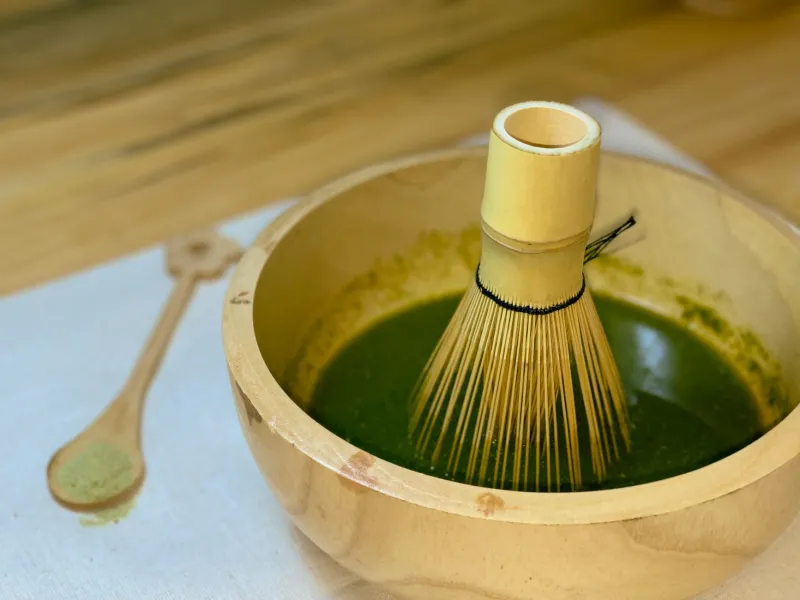
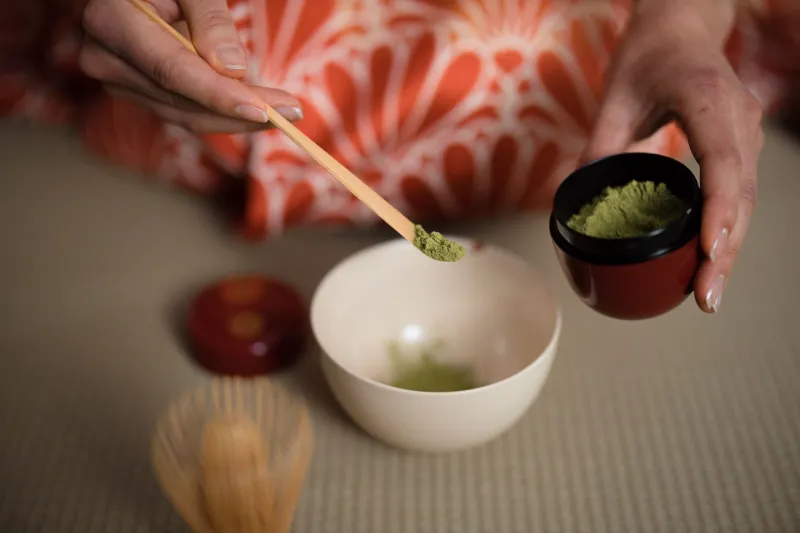
Koridashi, or ice-brewed matcha, involves sifting your powder into a bowl, adding a small amount of cold or room-temperature water to form a paste, and then whisking with cold water rather than hot. The result is a preparation that emphasizes sweetness and umami while dramatically reducing any bitterness—a quality that makes it particularly accessible and deeply refreshing.
Alternatively, whisking a standard usucha preparation over a small amount of ice, rather than into warm water, produces a chilled bowl that retains more of the powder's aromatic complexity than a blended preparation.
Summer is also a season for restraint in the ritual itself. Longer daylight hours and the natural energy of the season may call for shorter, more focused preparation sessions rather than extended ceremony. A five-minute morning practice—sifting, whisking, drinking in stillness before the day's heat builds—can be more grounding than a longer one.
For pairings, yuzu-flavored confections, lightly salted rice crackers, or fresh melon provide pleasant contrast to the tea's cool, grassy character.
Autumn: Depth, Warmth, and the Return to Ceremony
As light diminishes and temperatures drop, the matcha practice naturally invites a return to warmth—in temperature, in preparation style, and in intention. Autumn is the season most associated with contemplative depth in Japanese aesthetics, and it translates naturally into the tea ritual.
This is an excellent time to experiment with koicha, or thick-style matcha. Using nearly double the standard amount of powder with a smaller volume of water, koicha produces a rich, intensely flavored preparation that requires a slower, kneading whisking motion rather than the rapid back-and-forth of usucha. The result is a tea that demands presence. It cannot be rushed, and it rewards patience with a flavor that is fuller and more complex than anything a thinner preparation can offer.
Water temperature can rise slightly in autumn—175 to 180°F suits the season and the fuller preparation style. Autumn's longer evenings also invite an afternoon or early evening matcha session, a departure from the morning-only habit that many practitioners maintain.
For pairings, consider roasted sweet potato, chestnut-based confections, or dark chocolate with high cacao content. These pairings mirror the earthier, more grounded character of the season and create a sensory coherence that makes the ritual feel genuinely autumnal.
Winter: Warmth, Interiority, and the Long Sit
Winter strips away distraction. The days are short. The impulse is to draw inward. For the matcha practitioner, this is perhaps the most fertile season of all—not because the tea is different, but because the conditions for presence are unusually favorable.
In Japanese tea ceremony, winter is the season of the ro, the sunken hearth used to heat water. The symbolism is one of warmth carefully tended, of gathering close. For the home practitioner, winter matcha preparation can carry a similar quality: the kettle heating on the stove, the warmth of the bowl held in both hands, the steam rising in cold morning air.
Water temperature can be at its highest in winter—up to 185°F for koicha preparations—without sacrificing the tea's character. The fuller warmth suits the body's need for heat and the season's invitation to slow down.
Winter is also the right season to invest in the ritual's physical environment. A ceramic bowl that holds heat well, a small linen cloth for drying the whisk, a single candle or a branch of pine placed near the preparation area—these small details compound over the weeks of a long winter into something that genuinely sustains the spirit.
For pairings, consider warmed mochi, dark bean paste confections, or a small piece of aged dark chocolate. Richness serves the season.
The Practice That Grows With You
Seasonal adaptation is not about complexity for its own sake. It is about maintaining a living relationship with your practice—one that reflects where you actually are in the year, rather than where you were when you first began. A matcha ritual that changes with the seasons is one that cannot grow stale, because it is always, in some small way, new.