The Bowl as a Therapist: How Deliberate Matcha Preparation Heals the Nervous System From the Inside Out
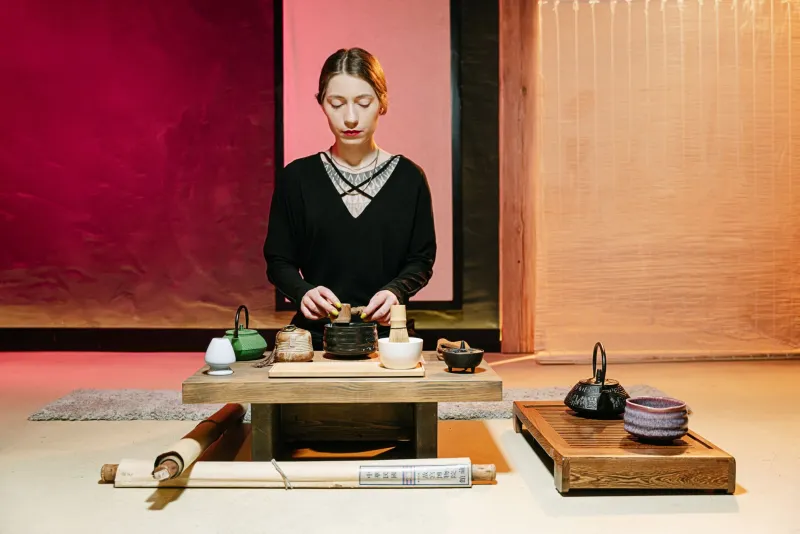
There is a particular kind of exhaustion that defines modern American life — not the satisfying fatigue of physical labor, but the diffuse, grinding depletion that comes from spending most of one's waking hours inside a screen, inside a schedule, inside a mind that never fully arrives anywhere. Therapists have names for what follows: dissociation, hyperarousal, chronic low-grade anxiety. What they do not always have is a simple, repeatable antidote that fits between a morning meeting and school pickup.
A growing number of wellness practitioners, somatic therapists, and neuroscience researchers are pointing toward an unexpected candidate: the deliberate, unhurried preparation of matcha.
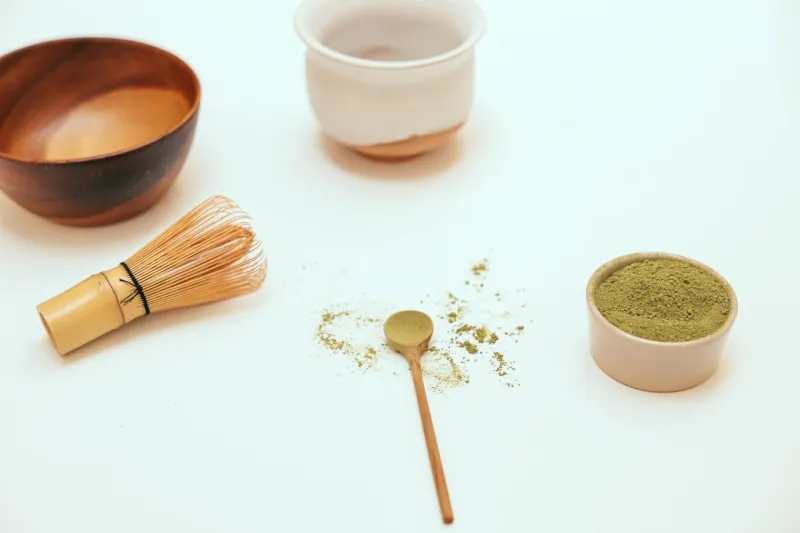
Not the matcha ordered through a drive-through window. Not the capsule-brewed approximation. The kind that requires a ceramic bowl, a bamboo whisk, water measured to temperature, and the full, unhurried attention of a human being.
What "Somatic" Actually Means — and Why It Matters Here
Somatic therapy, in clinical terms, refers to any therapeutic approach that treats the body as a primary site of psychological healing rather than a secondary concern. The premise is straightforward but profound: trauma, stress, and anxiety are not stored only in thought patterns. They are stored in the body — in muscle tension, in shallow breathing, in the nervous system's learned tendency to remain on alert long after the original threat has passed.
Traditional talk therapy addresses the mind. Somatic approaches address the body first, operating on the understanding that the nervous system must feel safe before the mind can think clearly.
This is precisely where intentional matcha preparation enters the conversation. The process — when practiced with genuine attention — engages the body's sensory systems in a sequence that neurologically mirrors established somatic regulation techniques. It is not a metaphor. The mechanisms are measurable.
The Neuroscience of Slow, Purposeful Movement
Research in embodied cognition — the scientific study of how physical experience shapes mental states — has demonstrated that slow, deliberate, rhythmic movement activates the parasympathetic nervous system, the branch responsible for the body's rest-and-digest response. This is the physiological counterweight to fight-or-flight.
The act of sifting matcha powder through a fine-mesh strainer, for instance, requires a quality of attention that is simultaneously focused and gentle. The resistance of the powder, the visual dissolution of clumps, the soft sound of the sieve against the bowl — each of these sensory inputs draws the practitioner's awareness into the present moment without demanding analytical thought. Neuroscientists refer to this state as "open monitoring," a form of attention that has been associated with reduced activity in the default mode network, the brain region most active during rumination and self-referential worry.
Whisking — the rhythmic, circular motion of the chasen through heated water — further deepens this effect. The repetitive physical gesture, sustained over sixty to ninety seconds, engages the cerebellum in a way that promotes neural coherence. Studies on rhythmic movement and anxiety reduction suggest that this type of sustained, patterned motion can meaningfully lower cortisol levels and reduce subjective feelings of stress within a single session.
Sensory Grounding: The Five-Point Practice You Already Know
Clinic-based grounding techniques often instruct clients to identify five things they can see, four they can touch, three they can hear, two they can smell, and one they can taste. The explicit goal is to interrupt the nervous system's tendency to time-travel — to replay the past or rehearse the future — by anchoring awareness in immediate sensory experience.
A carefully executed matcha preparation session engages every one of these channels without requiring a worksheet or a therapist's instruction.
The visual texture of the foam as it forms — a dense, pale green surface that shifts with each pass of the whisk — demands genuine looking. The warmth of the bowl held between both palms activates the skin's thermoreceptors in a way that is immediately grounding. The soft percussion of bamboo against ceramic, the rising steam, the unmistakable vegetal sweetness of high-grade matcha: these are not incidental sensory details. They are, in the language of somatic therapy, portals back into the body.
Practitioners who prepare matcha with this level of intentionality consistently report what researchers call "interoceptive awareness" — a heightened capacity to notice and interpret internal bodily signals. This awareness is not merely pleasant. It is, according to somatic therapists, foundational to emotional regulation.
Why the Ritual Matters More Than the Compound
Matcha does contain L-theanine, the amino acid associated with calm alertness, and its biochemical effects are well-documented. But reducing the therapeutic value of a matcha practice to its chemical constituents misses something essential.
The ritual creates what psychologists call a "transition object" — a structured sequence of actions that signals to the nervous system that a shift is occurring. Morning coffee is often consumed reactively, mid-task, while reading email. A matcha preparation, by contrast, requires the practitioner to stop, to clear a surface, to gather specific tools, to attend to water temperature. Each of these micro-decisions is a small act of self-direction in a culture that more commonly directs people.
This distinction matters clinically. Therapists who work with clients experiencing burnout or chronic stress frequently note that the loss of agency — the sense that one's days happen to them rather than being shaped by them — is a central feature of the condition. A daily ritual that requires genuine skill, attention, and choice, however modest in scale, can partially restore that sense of authorship.
Building a Practice That Holds
For those interested in exploring matcha preparation as a genuine wellness practice rather than an aesthetic exercise, a few principles are worth establishing from the outset.
Consistency over duration. A five-minute daily preparation practiced with full attention is therapeutically more significant than an occasional elaborate ceremony. The nervous system responds to repetition. The ritual must become a reliable signal.
Quality of attention over quality of performance. The goal is not to produce a technically perfect bowl — it is to be fully present for the process of producing one. Beginners are, in some respects, at an advantage: the unfamiliarity of the tools and gestures naturally demands closer attention.
Invest in materials that reward attention. A bowl with weight and texture, a whisk with genuine flex, matcha with a color and fragrance that warrant notice — these are not luxuries. They are the sensory anchors that make the practice work. Thin, flavorless matcha prepared in a paper cup does not offer the same invitation to presence.
Remove competing stimuli. The preparation should occur away from screens and ambient noise where possible. This is not asceticism — it is simply the condition under which the nervous system can actually downshift.
A Different Kind of Appointment
None of this is to suggest that matcha preparation replaces professional mental health care, which remains essential for many people navigating significant psychological challenges. What it offers is something more modest and, for that reason, more sustainable: a daily appointment with one's own nervous system, conducted with care, repeated with intention, and accessible without a co-pay or a waitlist.
The Japanese tea tradition has always understood the bowl as more than a vessel. It is, at its most serious, a technology for returning to oneself. American wellness culture is arriving, somewhat slowly, at the same conclusion — and finding that the science, for once, agrees with the ancient wisdom.
The matcha is, in the end, almost beside the point. The practice is the medicine.